
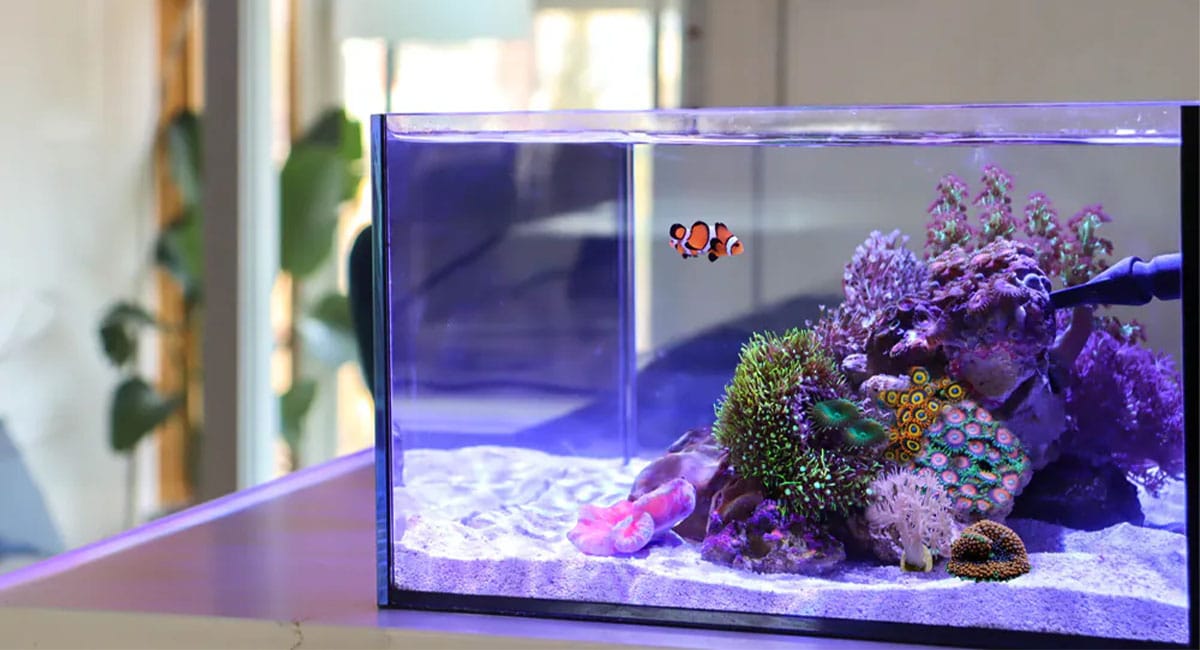

Saltwater aquarium setup is a journey that, for many of us, likely began with the discovery of the underwater world through “Finding Nemo.” While an animated film alone doesn’t usually drive us down this path, there is no denying that it triggers something in our subconscious. When we see these creatures with our own eyes—whether in their natural habitats or in small, man-made ecosystems—that “lost fish” in our minds awakens and makes us wonder, “Why not me?”
Bringing the diverse species found in seas and oceans into our homes or offices and witnessing those magnificent colors is a pleasure beyond description. However, before stepping into this world, one must realize that a saltwater aquarium setup is a biological engineering process. Please note that this guide serves as a comprehensive introduction and a strategic roadmap. At Reef Network, we are developing dedicated, in-depth articles for each technical stage mentioned here to provide the scientific depth every topic deserves.
Our mission is to ensure that your saltwater aquarium setup is built on a foundation of expert knowledge. This article is a living resource; we constantly update our content with the latest scientific findings and evolving hobbyist techniques. By revisiting this guide, you will always find the most accurate and up-to-date information for your journey. As you progress, Reef Network will provide specialized masterclasses for every detail of your reef-keeping experience, ensuring you stay at the forefront of the hobby.
The Philosophy of Saltwater Aquarium Setup: Patience and Responsibility
A successful saltwater aquarium setup requires, above all else, a great deal of interest, effort, and patience. In this hobby, patience is undoubtedly the most important virtue you must possess. Impatience or acting on incorrect information will not only cause you to spend more money but will also result in the loss of livestock. Starting your journey by following a specific research path and sequence helps you foresee and prevent potential problems.
At this stage, deciding whether your budget can deliver the visual result you desire is a critical milestone. You must be aware that the saltwater aquarium setup process is not cheap and requires more time investment compared to other hobbies. Providing optimum water conditions for the species you want depends on a variety of equipment and a bit of chemistry. Remember, your saltwater aquarium setup is a miniature copy of the ocean; maintaining that balance depends entirely on your discipline.
Preparation and Planning: Choosing the Right Location for Your Habitat
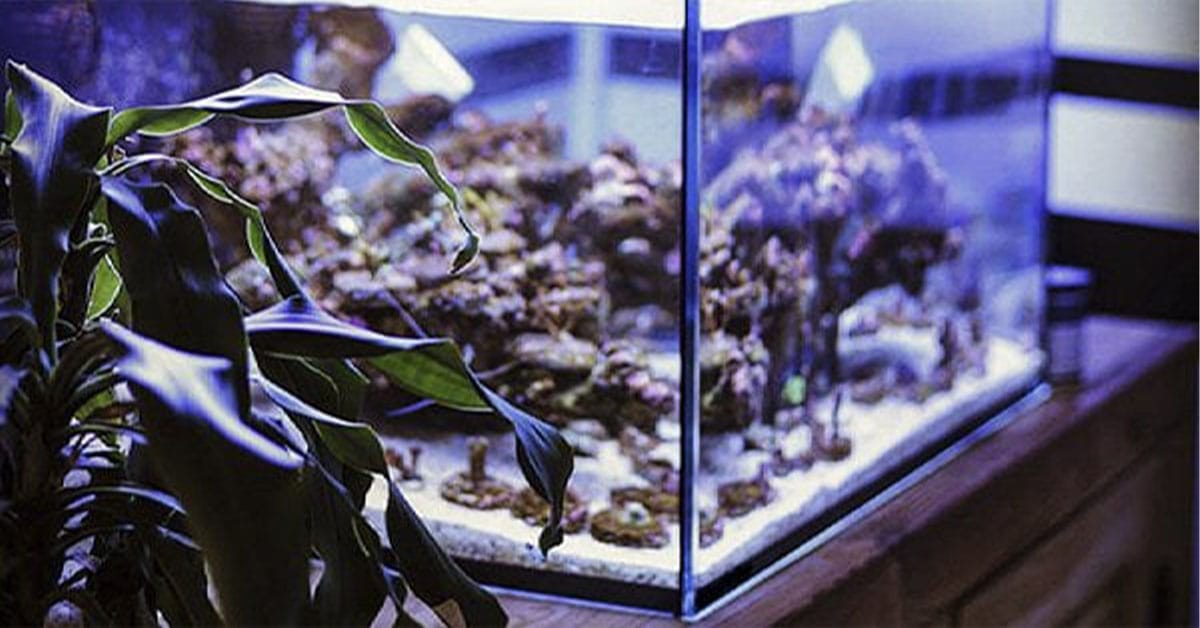
The planning and preparation phase is the first and most vital step of a saltwater aquarium setup. Deciding where you want to set up the aquarium is not just an aesthetic choice; it is about the sustainability of the system. The location you choose should stay away from direct sunlight, as sunlight causes unwanted algae blooms and uncontrolled rises in water temperature. Furthermore, the floor or stand you choose must be sturdy enough to support the total weight.
Keep in mind that any saltwater aquarium setup, whether small or large, is very difficult and risky to move once it is established. At this stage, you should identify your dream livestock, but your aquarium volume is the most important criterion. According to scientific data from NOAA, as water volume increases, the rate of chemical fluctuations decreases. Therefore, for beginners, larger tanks are always a safer harbor.
Determining Your Livestock: Building a Compatible Aquarium Community
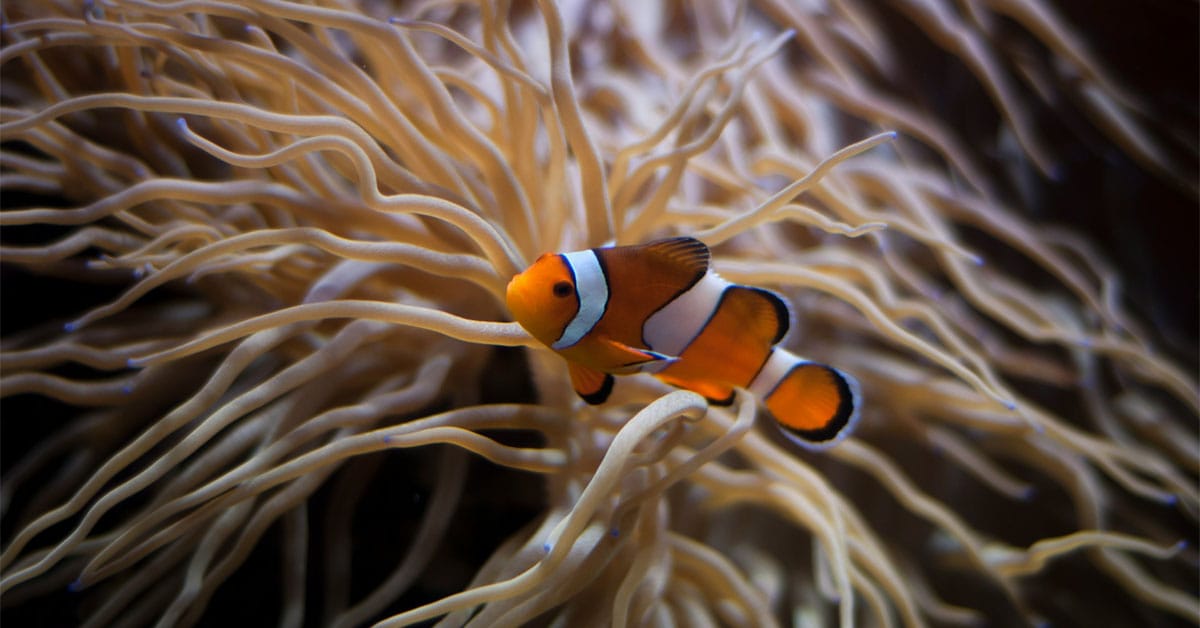
Choosing your inhabitants is the next strategic step in your saltwater aquarium setup. Making a list of the creatures you want to keep and learning their basic needs should be one of the first actions you take. Many of us dream of starting with just two clownfish and an anemone, but once you enter the underwater world, you will want more. Your livestock choices also serve as a reference for the equipment you will need for the long term.
You cannot keep every creature you want together; knowing the compatibility of species is essential for a peaceful saltwater aquarium setup. Some fish may harm corals (non-reef-safe species), while others may be overly aggressive toward their own kind. At this point, utilizing the Livestock Encyclopedia within Reef Network to learn which fish can live peacefully with which coral species will prevent future losses. Always consider the adult size of the fish.
Selecting Essential Equipment: The Life Support System of Your Reef
Choosing the right equipment without cutting corners—but also without unnecessarily straining your budget—is what protects your saltwater aquarium setup in the long run. These devices form the life support system of your miniature ocean. To help you make the best choices, we are developing specialized guides for each essential component.
Our Essential Equipment Guides:
- Aquarium Heaters: Aquarium Heater Selection: A Guide for Reef Systems
- Protein Skimmers: The heart of organic waste removal (Coming Soon)
- Lighting Systems: Understanding the PAR and spectrum corals need (Coming Soon)
- Wave Makers & Flow: Simulating natural ocean currents (Coming Soon)
- Return Pumps & Filtration: The circulation engine of your reef (Coming Soon)
The protein skimmer and lighting fixtures are particularly vital; while the skimmer removes organic waste before it turns into toxic ammonia, lighting provides the essential energy for coral photosynthesis. Research by the Smithsonian Tropical Research Institute has proven that corals need specific light spectrums to survive. Remember that every piece of gear has a biological counterpart; choosing reliable equipment ensures that your “lost fish” stays healthy and vibrant.
Substrate and Live Rock: The Biological Foundation of the Aquarium
Selecting live rock and substrate is a critical stage for the biological success of your saltwater aquarium setup. Live rocks are the biological factory of your aquarium and keep your water clean naturally through the beneficial microorganisms they host. According to studies by the NCBI, microbial diversity on these rocks is key to the stability of the tank. These rocks act as the primary site for nitrogen-fixing bacteria.
When choosing substrate for your saltwater aquarium setup, you should again base it on the creatures you wish to keep; some fish love to sift sand, while for others, bare bottom systems are more suitable for higher flow. In the water filling stage, you must use RODI (Reverse Osmosis Deionized) water. Chlorine, heavy metals, and phosphates in tap water can be lethal to saltwater aquarium life and trigger uncontrollable algae problems that are hard to fix later.
Mastering the Nitrogen Cycle: The Science Behind a Healthy Tank
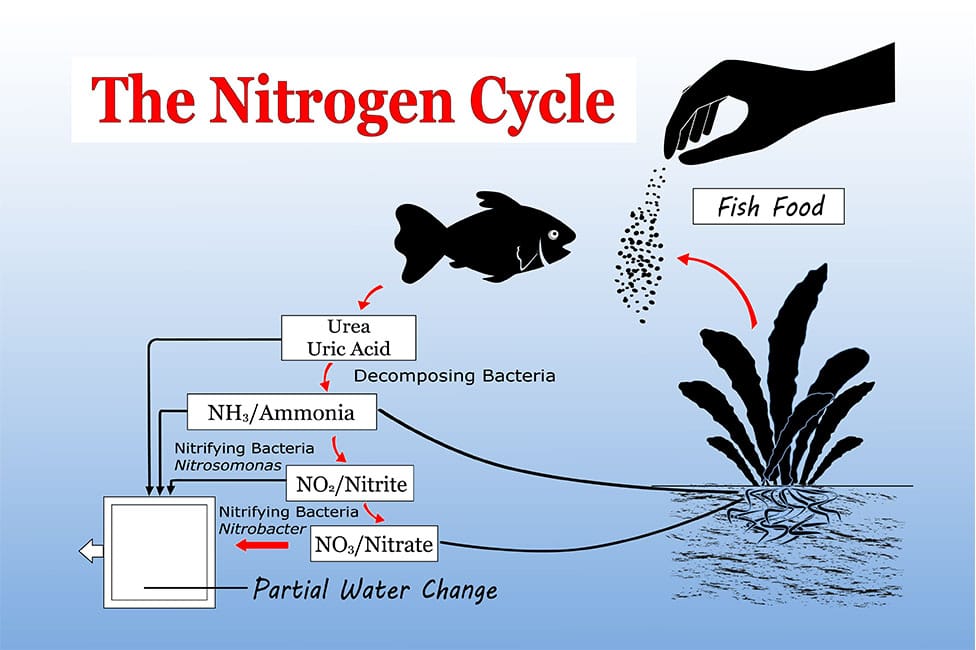
The nitrogen cycle is the point where a saltwater aquarium setup requires significant patience. Brown algae (diatoms), dirty glass, and sometimes slight odors are a natural part of this process. The nitrogen cycle is a biological necessity that every saltwater aquarium setup must go through. It is the process of establishing beneficial bacteria that convert toxic waste into safer compounds, creating a stable environment for your future inhabitants.
According to reports from the University of Florida (IFAS), the conversion of ammonia to nitrite and then to the less harmful nitrate means your saltwater aquarium setup is becoming established. Rushing to add livestock during this process will lead to system collapse due to ammonia poisoning. No sensitive creatures should be introduced into the system until the ammonia levels are completely zeroed out and the cycle is fully confirmed.
Introduction of the Cleanup Crew and Your First Aquarium Inhabitants
Once your saltwater aquarium setup has completed the cycle, the Cleanup Crew (CUC) should be deployed first. Inhabitants such as snails, hermit crabs, and shrimp protect the ecological balance by cleaning algae off the glass and rocks. They are the “janitors” of your reef. Data from the WA Department of Primary Industries indicates that proper salinity and osmotic balance are critical for these invertebrates.
Before adding fish to your new saltwater aquarium setup, you must slowly introduce them through the acclimation method to adjust to the temperature and water parameters. This reduces stress and prevents sudden shock to the fish’s system. Remember, their lives are now your responsibility and under your care. A successful saltwater aquarium setup is directly proportional to the respect you show to nature and the patience you demonstrate. Welcome to the incredible world of reef keeping!
Join the Discussion! Do you have a question or a tip to share about “Saltwater Aquarium Setup: The Ultimate 2026 Success Guide” Whether you’re a beginner or a professional, we value your experience—leave a comment below to help our community grow! For more personalized advice and in-depth discussions, feel free to start your own thread in the Saltwater Aquarium Forum. We’d be happy to help you. Let’s build a better reef together!
Cover Photo Credit: Reef Casa
References:
- University of Florida (IFAS): The Science of Nitrogen Cycling in Aquaria / Last Access Date: 11.01.2026
- NOAA: Understanding Ocean Chemistry and Fluctuations / Last Access Date: 11.01.2026
- National Institutes of Health (NCBI): Microbial Diversity in Marine Systems / Last Access Date: 11.01.2026
- Smithsonian Tropical Research Institute: Corals and Photosynthetic Light Spectrum / Last Access Date: 11.01.2026
- WA Department of Primary Industries: Osmoregulation and Salinity / Last Access Date: 11.01.2026