


$5,999.00
Gül Anthias (Odontanthias katayamai) rehberi: Derin su akvaryumu gereksinimleri, etçil beslenme, resif uyumluluğu ve esaret altında üreme parametreleri hakkında uzman bilgileri.
Share:
Featured Info
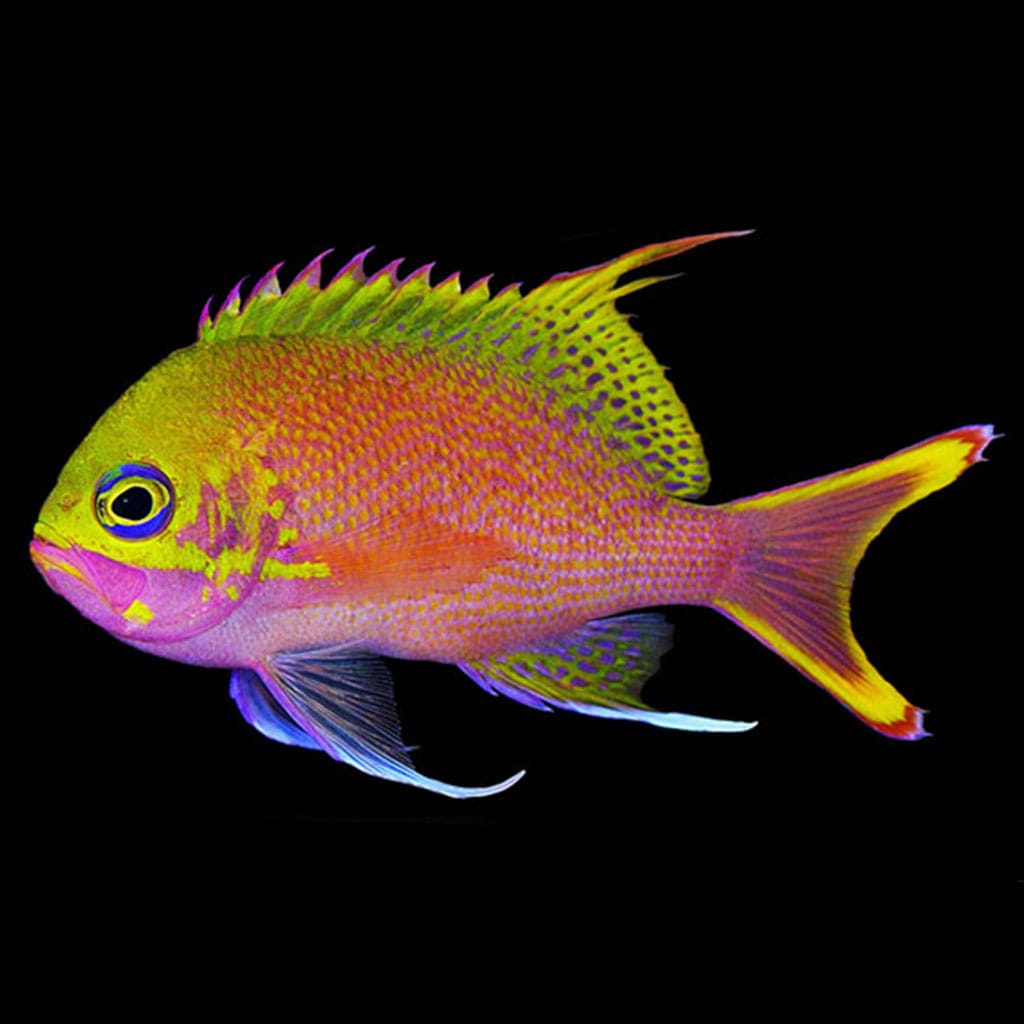
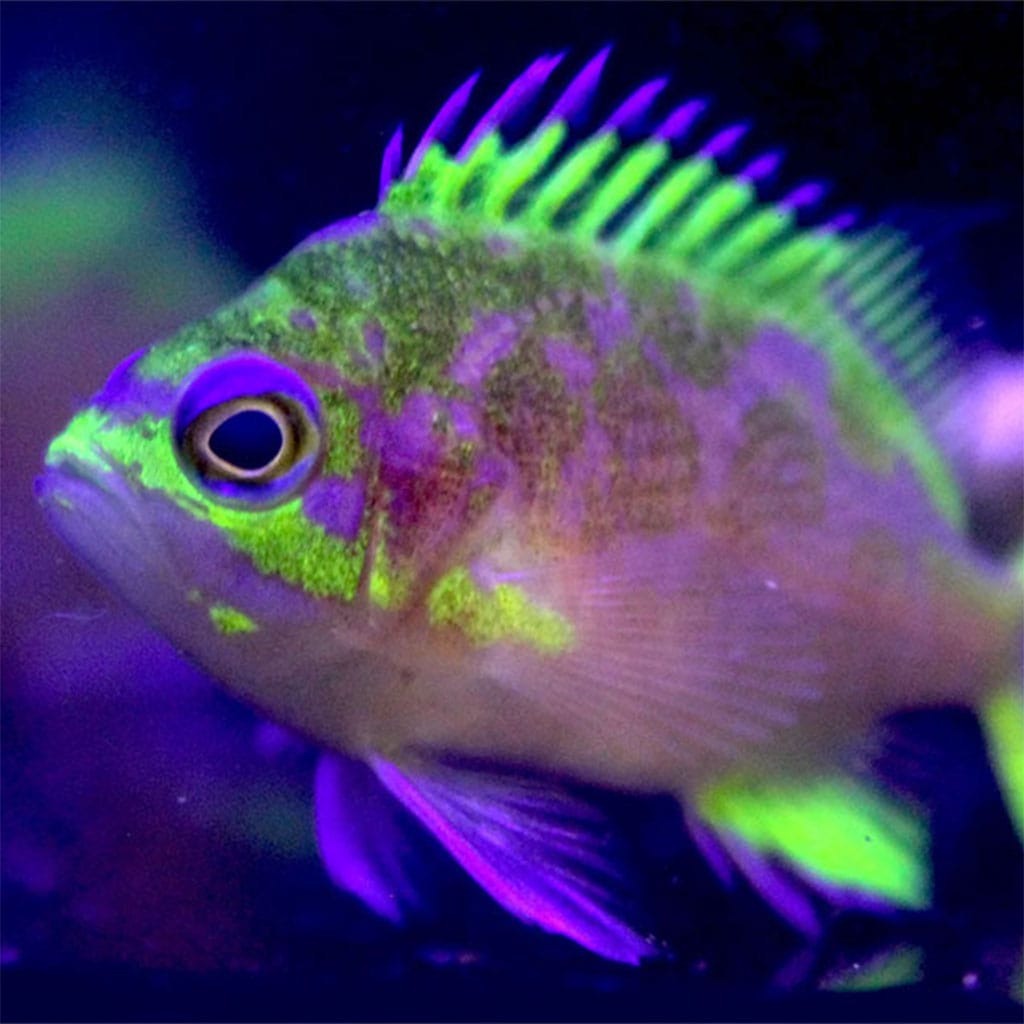
The Rose Anthias (Odontanthias katayamai), a member of the Serranidae family, is one of the most breathtaking fish found in the deep reefs of the Western Pacific (particularly around Japan, Taiwan, and Guam). With a body featuring a vibrant blend of pink, orange, and yellow hues, it is widely considered a “jewel” of the aquarium world. However, behind this stunning beauty lie specialized care requirements stemming from its deep-water origins. If you desire a sunset-like view in your aquarium, the Rose Anthias is unrivaled—but keeping it requires significantly more attention than standard Anthias species.
As a deep-water species, the ideal water temperature for the Rose Anthias should be kept slightly lower than usual, between 22-25°C (72-77°F). A minimum aquarium volume of 250-300 liters (~65-80 gallons) is necessary to provide ample swimming space and security. Maintain a pH level of 8.1-8.4 and a specific gravity (salinity) of 1.020-1.025. Lighting is a critical factor; since these fish originate from dim depths, the aquarium must provide plenty of hiding spots, caves, and shaded areas.
As a carnivore, the Rose Anthias naturally feeds on zooplankton and small crustaceans. In an aquarium setting, they require high-protein diets. Their metabolism is quite fast, so they should be fed small amounts at least 2-3 times a day. They readily accept frozen mysis shrimp, enriched brine shrimp, and high-quality flake foods. To maintain their vivid colors, foods rich in carotenoids should be prioritized.
The Rose Anthias is generally more shy and peaceful compared to other members of the Anthias family. However, they can be territorial toward males of their own species. It is best kept either individually or in a group consisting of one male and several females in larger tanks. Aggressive tank mates (such as large Dottybacks or certain aggressive Tangs) can stress the Rose Anthias, causing it to hide and refuse food. They are Reef Safe and do not harm corals or decorative shrimp.
Information regarding the captive breeding of Odontanthias katayamai is quite limited. While most Anthias are protogynous hermaphrodites (born female and changing to male based on dominance), spawning and raising larvae in a home environment is extremely difficult. However, in recent years, limited success with “Captive Bred” specimens has been achieved through advanced biotechnology efforts.
Due to being deep-water fish, they are sensitive to pressure changes during collection and transport (decompression issues). A long quarantine and acclimation period is essential when first introduced to an aquarium. Fluctuations in water quality can weaken their immune system, leading to parasitic infections such as Marine Ich or Marine Velvet. Under proper care and in a low-stress environment, their average lifespan is 5-8 years.
Cover Photo: Private Collection / Deep Sea Aquatics
References:
Share Your Experiences! If you have kept this species before or if it is currently an inhabitant of your aquarium, please share your tips and experiences with us and fellow aquarists in the comments section below.
Whether you are a novice hobbyist or an experienced aquarist, feel free to start your own thread and ask questions in our Saltwater Aquarium Forum for help, advice, or guidance. We are here for you and more than happy to help!
Temperature
pH
Diet
Temperament
Care Level
Genus
Family
Breeding
Get in Touch