


$35.00
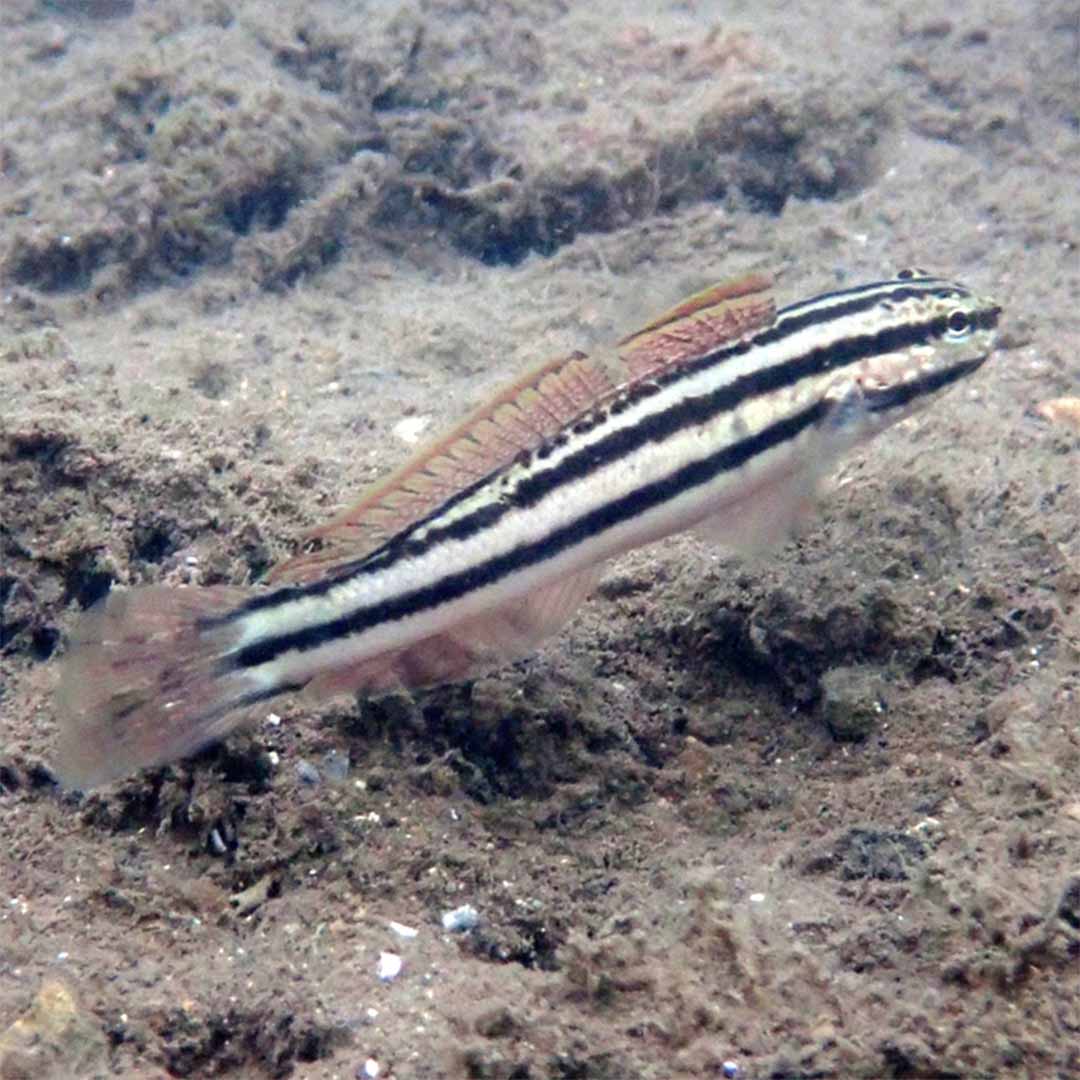
Discover Link’s Goby (Amblygobius linki). Our guide covers tank requirements, sand-sifting nutrition, and behavior for this peaceful, reef-safe saltwater fish.
Share:
Featured Info
A colorful and industrious member of the coral reef community, Amblygobius linki, commonly known as the Link’s Goby, is a standout species within the Gobiidae family. Native to the Western Pacific—specifically around Indonesia, Papua New Guinea, and the Philippines—this small but hardy fish is celebrated for its peaceful nature and its beneficial habit of sifting sand for food. In addition to its utility as a “sand-sifter,” its subtle beauty and rhythmic behavior make it a rewarding addition to a mature reef system.
Link’s Goby can thrive in a reef aquarium with a minimum volume of 75 liters (20 gallons). The most critical habitat requirement is a thick layer of fine, soft sand, at least 5 cm deep, which allows the fish to perform its natural substrate-sifting behavior safely. Coarse substrates should be avoided as they can damage the goby’s delicate mouthparts. Water parameters should remain stable, with temperatures between 24–28°C (75–82°F) and a pH of 8.1–8.4. While they are resilient, keeping nitrates and phosphates low is essential for their long-term health. A complex aquascape with plenty of live rock is highly recommended to provide the goby with secure hiding spots when it feels threatened.
In the wild, this species feeds on filamentous algae, detritus, and small invertebrates found within the sand. In a home aquarium, they are generally easy to feed and will readily accept high-quality frozen mysis, artemia, and vitamin-enriched flakes or pellets. However, they should not be expected to survive solely on “tank scraps”; they require 2-3 small feedings per day to maintain their body weight. Because they sift the sand, they also play a vital role in preventing the substrate from becoming anaerobic, though they should be housed in a tank with an established micro-fauna population to supplement their diet.
Link’s Goby is an exceptionally peaceful species that integrates well with other non-aggressive reef inhabitants. It is important to note that while they are calm toward other species, two males may fight over territory in smaller tanks. They are best kept singly or as a mated pair. Interestingly, Link’s Goby is often found in silty coastal reefs and mangroves in the wild, making them more tolerant of slightly turbid water than some other high-energy reef fish. They are not known to form symbiotic relationships with pistol shrimp like some other gobies, but they are very social and curious observers of their environment.
This species has been successfully bred in captivity, which is a significant win for sustainable reef keeping. During the breeding process, the female typically deposits eggs in a secluded cave or under a rock ledge, which the male then guards diligently until they hatch. Raising the larvae is the most challenging phase, requiring specialized planktonic food sources such as rotifers. In natural settings, their breeding activity peaks during the warmer summer months. Purchasing captive-bred specimens is highly encouraged as they are already acclimated to aquarium life and commercial foods.
While generally hardy, Link’s Goby is susceptible to sudden shifts in water chemistry and can suffer from skin parasites if stressed by aggressive tank mates. Because they lack a heavy scale-armor, they can be sensitive to certain copper-based medications. A proper quarantine period and a diverse diet are the best preventative measures against common ailments. In a well-maintained environment, these gobies have a lifespan of approximately 3 to 5 years. They are entirely non-toxic and reef-safe, making them a perfect utility fish for keeping the sand bed clean and aerated.
Cover Photo Credit: Amaury Durbano
Cover
Share Your Experiences! If you have kept this species before or if it is currently an inhabitant of your aquarium, please share your tips and experiences with us and fellow aquarists in the comments section below.
Whether you are a novice hobbyist or an experienced aquarist, feel free to start your own thread and ask questions in our Saltwater Aquarium Forum for help, advice, or guidance. We are here for you and more than happy to help!
Temperature
Salinity
pH
Alkalinity
Diet
Temperament
Care Level
Genus
Family
Breeding
Origin
Color Form
Get in Touch